Summary

With Epic Community Connect, smaller healthcare organizations gain the benefits of using Epic without incurring the cost and resource burden of a full-scale Epic implementation of their own. When Epic Community Connect is utilized, there is also an opportunity to migrate legacy data into an active archive, like HealthData Archiver®, that integrates with Epic. Establishing a legacy data management strategy ensures historical records that were not converted to Epic are easily accessible and provides additional cost savings and security benefits to Epic Community Connect users.

Join Fellow Healthcare IT Pros

Tips, Guides, News & More

Sign Me Up
Epic Community Connect Graphic

What is Epic Community Connect?

How does Epic Community Connect Work?

Many smaller hospitals and clinics are utilizing benefits of Epic Community Connect , a program that allows them to partner with a larger “host” hospital that uses Epic to leverage its benefits without all of the cost. The larger hospital essentially manages Epic and extends a version of it to the partner. This arrangement takes hosting out of the picture for the smaller organization while enhancing EHR uniformity and interoperability among local area providers – a win-win for care in the community.

More and more communities are adopting Epic Community Connect program. Leading the industry with a 29% market share, Epic is already used in many large health systems. In fact, it is estimated that more than 250 million patients have an electronic medical record in Epic.  And, those records are going places. Epic reports that its users share 100 million records per month, and  63 percent of Epic customers report achievement of deep interoperability (up from 13 percent in 2017, according to a KLAS report).

Benefits of Epic Community Connect

  1. Simplified access to an EMR that manages a shared community of secured patient records.
  2. Enhanced interoperability within a national health information exchange framework of nearly 2,000 hospitals and 45,000 clinics that includes advantages such as avoiding duplicate results, sharing information, and improving communication between providers and patients.
  3. Technical and regulatory confidence as Epic provides a HIPAA-compliant communication system that eliminates the need for an open-source HL7 interface to share HL7 messages between systems.
  4. Cost savings from not taking on the burden of implementing a full-scale Epic instance on their own yet benefiting from better coordination of care, avoidance of duplicate testing/procedures and more opportunities to measure quality.
  5. Advanced progress toward a comprehensive patient record as data is updated and shared seamlessly among providers and the patient.

Establishing a Legacy Data Management Strategy with Epic Community Connect Implementation

With Epic as the go-forward EHR, there is an opportunity to decommission legacy servers, converting and/or archiving historical data elements. As data conversion can be costly and complex, archiving becomes a key strategy for legacy data management.  While it provides cost savings and reduces risk, it can also improve continuity and quality of care by integrating with Epic through secure Single Sign-On to make historical patient data accessible when clinicians need it most.

When a hospital or clinic decides to opt into Epic Community Connect, this kicks off the need for a plan for the applications it will replace. Generally, the larger the organization, the larger the inventory of applications that will need to be addressed.

Here are three considerations around legacy data that need to be a part of the planning process:

  • Conversion vs. Archival.  Not all legacy data (patient, business and employee records) from a system Epic replaces gets converted to Epic due to cost and complexity, but it often still needs to be retained for compliance with record retention regulations, Cures Act and legal needs in the future.
  • Continuity and Quality of Care.  Access to a complete historical medical record – including legacy patient data – can be imperative to a physician’s ability to deliver the best patient care.
  • Record Consolidation and Centralization.  Archiving legacy data and making it available via Single Sign-On from Epic consolidates data stores, reduces out-of-production system maintenance costs, mitigates technical risk, complies with record retention mandates, and helps enable interoperability and data analytics.

For larger providers who serve as the Epic Community Connect host and also are working through their own legacy application management, Harmony Healthcare IT has some suggestions:

HealthData Archiver®, an active archive, is designated by Epic as an Orchard app in its App Market program. Live and in use at many Epic customer sites since it was first made available in the Epic App Orchard in 2019, HealthData Archiver® is a cloud-based legacy data management solution with its Single Sign-On integration from Epic that enables patient context sharing, release of information workflows and revenue cycle features—offering a significant value for provider organizations decommissioning legacy systems.

Are you an Epic user looking for a trusted solution to help manage historical patient, employee, and business records? Or is your organization considering a move to Epic in the future and in need of a partner for data migration and/or archiving?

As an experienced vendor with an archive product listing in the Epic App Market, we can help.

Let’s connect.

Healthcare IT tips, guides, news & more delivered to your inbox

Learn More

Summary

The 21st Century Cures Act, first introduced in 2016, is broadly focused on advancing innovative medical products while removing barriers for development and bringing the advancements to patients more quickly. The focus of this blog will be on the rules around information blocking, interoperability and data access and how providers can continue to adapt and deliver medical information wherever and whenever it is needed with respect to the Cures Act and overall best practices for health data management.

Join Fellow Healthcare IT Pros

Tips, Guides, News & More

Sign Me Up
21st Century Cures Act

Three main tenets of the Cures Act – Patient Access, Protection and Choice:

  1. Ease of access to their records – The Cures Act supports a patient’s control of their health care and their medical record through smartphones and modern software apps.
  2. Protecting patient privacy and security – The rule supports secure patient access to their electronic medical record data. Patients will be able to use applications they authorize to receive data from their medical records. OAuth2 is used to authorize applications – the same highly secure protocol used on travel and banking apps.
  3. Promoting the ability to shop for care and manage costs – The final rule expands patient and payer choice by increasing data availability that supports insights about care quality and costs. This is similar in how apps have increased transparency in other industries such as online shopping, travel and banking to deliver information to patients and payers to assist in decision making.

Ease of Access and Information Blocking

The Information Blocking Rule was first introduced as part of the 21st Century Cures Act in 2016 to eliminate industry-wide information blocking practices. The problem centered around a patient’s inability to access their entire health record history caused by developers of health IT  deliberately preventing access to PHI in an effort to maximize short-term revenue or to compete for new clients.

The implementation of the finalized rules around information blocking provides a comprehensive response to concerns about this anti-competitive behavior while supporting the overall goal of increased transparency for patients as well as access, exchange and usability of electronic health information.

There are many key dates related to the Information Blocking Rules, including Oct. 6, 2022 which is the date that the definition of electronic health information changes from the specific  elements listed in the USCDI to ALL electronic health information (ePHI) in the designated record set (DRS).

How to determine if information is EHI: 

EHI is defined as electronic protected health information (ePHI) to the extent that it would be included in a designated record set (DRS), regardless of whether the group of records are used or maintained by or for a covered entity. The expanded definition of EHI (as defined in 45 CFR 171.102) includes a broad set of records. To determine whether the information is EHI, consider if the information:

  1. Is individually identifiable health information that is maintained in electronic media or transmitted by electronic media
  2. And would be included in one of the following groups of records:
    a. medical records and billing records of a provider about individuals;
    b. enrollment, payment, claims adjudication, and case or medical management record systems maintained by or for a health plan;
    c. records used in whole or in part, to make decisions about individuals
  3.  And is not excluded from the EHI definition

If the answer to the three questions above is “yes,” then it is EHI.

What is not EHI?

  • Psychotherapy notes as defined in 45 CFR 164.501
  • Information compiled in reasonable anticipation of, or for use in, a civil, criminal, or administrative action or proceeding
  • Individually identifiable health information in education records covered by the Family Educational Rights and Privacy Act, as amended, 20 U.S.C. 1232g
  • Individually identifiable health information in records described at 20 U.S.C. 1232g(a)(4)(B)(iv)
  • Individually identifiable health information in employment records held by a covered entity in its role as employer
  • Individually identifiable health information regarding a person who has been deceased for more than 50 years
  • De-identified protected health information as defined under 45 CFR 164.514

There also are eight exceptions to the information blocking ban that have been established to allow clinicians and hospitals common sense operational flexibility. These exceptions are grounded in protecting patient privacy, security, and handling situations where moving data isn’t a technically viable solution. These exceptions are divided into two categories:

  1. Exceptions that involve not fulfilling requests to access, exchange or use EHI, and
  2. Exceptions that involve procedures for fulfilling requests to access, exchange, or use EHI.

To review the most current updates related to interoperability, information blocking and the ONC Health IT Certification Program, visit the ONC’s Cures Act Final Rule website.

Switching EHRs shouldn’t mean a disruption in a provider’s access to their data.

EHR vendors are required to enable a usable export of all patient records when a healthcare provider is switching health IT systems, as opposed to only providing the summary of care records, which was the prior requirement. Not only will this allow providers to switch EHRs more easily and completely, but it will also ensure that a complete patient narrative is being transferred for better patient care. As the ONC states, “Providers should be able to choose the IT tools that allow them to provide the best care for patients, without excessive costs or technical barriers.”

Determining how healthcare IT delivers on these finalized rules is somewhere on every healthcare organization’s to-do list. Moving it toward the top could make could business sense. Industry experts suggest healthcare organizations look at meeting the finalized rules sooner rather than later and as an opportunity for business success, citing that adopting the rules as soon as possible represents a huge business opportunity.

Those physician practices and health systems that can step up, navigate the obstacles, and deliver robust patient access to health information through apps and next-generation digital tools, may find themselves at a competitive advantage.

Speaking of competitive advantages, let’s talk about the long game.

One big step forward in the health data management race is to consolidate records from legacy EHR, ERP and HR systems into an active archive.  This approach avoids the user having to log in to multiple legacy systems to fulfill a single Release of Information request.   Advanced authentication services such as  Single Sign-On allows a seamless connection from the current EHR (i.e., Single Sign-On from Epic) in context to the patient’s historical medical record.

As healthcare providers continue to adapt and evolve with how they need health and business data to flow through technology systems and now more fluidly to patients on new apps, it will be even more important to have a solid lifecycle data management plan that consolidates disparate data sets. With some multi-hospital organizations managing 30 to 40 read-only legacy EHRs with varying states of usability, it is even more important to streamline and have a lean and forward-thinking data management strategy for the long haul.

As your team continues to adapt to rules, follow retention guidelines and safely guide the data within your care wherever it needs to go, it’s a good time to make sure your inventory of applications is consolidated, secured, accessible and usable.

An active archive such as HealthData Archiver® is a long-term medical data storage strategy that reduces or eliminates legacy system management costs, provides role-based security and is a vendor-neutral long-term home for legacy records. Secure, compliant, long-term PHI storage in an electronic health data archive solution helps manage the legacy application portfolio which saves on maintenance contracts, mitigates technical risk, and reduces labor burden. With an active archive, outdated legacy applications can be decommissioned and ROI is often seen in 18-24 months.

What to do if a vendor organization is keeping you from your health data:

Clinicians and hospitals continue to consider their options in choosing the EHR that best fits the organization, gaining access to protected health information (PHI) from the outgoing EHR vendor may remain a challenge.

Even before the newest information blocking law was handed down, EHR vendors were required by law to return PHI to the covered entity in a reasonable and usable format upon termination of a contract. If your healthcare organization is or continues to have PHI held hostage by an EHR vendor, there are currently measures that can be taken to gain rightful access to data.

The final rule also includes provisions for the HHS Office of Inspector General (OIG) to investigate allegations of information blocking and to coordinate the involvement of other government agencies, as well as provides anonymous reporting options and a certificate of compliance that organizations can sign to show they meet the guidelines.

Beyond filing a complaint with the U.S. Department of Health and Human Services, you can also start with these steps to help with the process:

  1. Familiarize yourself with the HIPAA Covered Entity portion of the gov website for additional information on how the vendor may be in violation of the HIPAA Privacy Rule.
  2. Formally communicate to the vendor that they are legally required to provide access to your ePHI in a reasonable and usable format.

If you’ve already considered the above and still feel like you need additional guidance and tools to help facilitate dialogue to gain access to your PHI,

We’re ready to talk about the best approach that will lead to your PHI residing where we’ve always believed it should be – with you and your organization.

Note: This blog is updated from a previous version published on March 2, 2021.

Healthcare IT tips, guides, news & more delivered to your inbox

Learn More

Summary

HealthData Archiver®️ expands functionality with Single Sign-On access to comprehensive historical image records which supports more informed treatment decisions, improved workflows, and cost savings.

Join Fellow Healthcare IT Pros

Tips, Guides, News & More

Sign Me Up
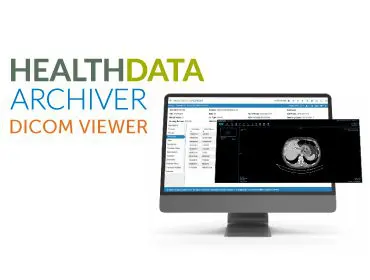
DICOM Viewer for Medical Images

Harmony Healthcare IT, a first-to-market innovator of legacy data management solutions, today announced it has added a DICOM Viewer for medical imaging as an expanded feature of its flagship HealthData Archiver® product. With this solution, healthcare delivery organizations now can archive and interact with medical images within the cloud-based legacy data management solution. This advancement offers numerous benefits from other vendor neutral archives (VNA) that provide static PDF images located in multiple systems which limit the clinician’s ability to see the whole patient story in one place.  

The HealthData Archiver® DICOM medical image viewer is an all-inclusive option that utilizes the standard Digital Imaging and Communications in Medicine (DICOM) format for radiology, cardiology, orthopedics, pathology, mammography, and ultrasound files. It provides clinicians with a wide range of features and functionality to review, compare and utilize historical image files alongside current studies.  

“The goal of a simplified comprehensive patient record took a step forward today,” said Jon Grenier, MPA, Senior Director of Product Strategy at Harmony Healthcare IT. “With the HealthData Archiver® DICOM Viewer, clinicians now have Single Sign-On access with expanded functionality to review numerous legacy image files. This supports deeper investigative care and enhances interoperability options with the ability to interact with current and historical image records from within the go-forward EHR.” 

DICOM Viewer Key Benefits:

  • Improved workflows

    Clinicians utilize the Single Sign-On integration from the go-forward EHR (such as Epic or Cerner) to the HealthData Archiver® archive and can now also access DICOM images that are displayed in a study panel of sometimes hundreds of images that are linked to the study reports. Plus, additional information is available by using the More+ feature. Without the viewer, historical image files would be stored as static PDFs.

  • Useful features and functionality

    Users can view measurements and annotations. There is a download option to JPG or PNG, plus numerous viewing options such as stack scroll (links series of images), collapsing/expanding images, zoom/magnify, pane, reset, 2DMPR, and more.

  • Cost benefits

    With the HealthData Archiver® DICOM Viewer installed, other less robust Vendor Neutral Archive (VNA) solutions can be rationalized and decommissioned. Additionally, the cost burden of trying to migrate historical DICOM images into a new go-forward EHR system can be avoided which is helpful as most EHR vendors charge fees per inquiry.  

With broad experience with more than 550 software brands, Harmony Healthcare IT now can archive DICOM files from even more EHRs including: Varian’s Aria, ONcEMR, Cerner Imaging and others. DICOM storage and hosting will be in the Google Cloud Platform (GCP) utilizing DICOM Google Cloud Healthcare API which is a DICOMweb standard.  

As healthcare delivery organizations continue to consolidate and decommission legacy applications to adhere with the government regulations and best practices for data management, archiving complete clinical, financial, and business records is a cost-effective, secure, and reliable solution. 

For more information, check out the HealthData Talks podcast and contact the Harmony Healthcare IT team to schedule a comprehensive DICOM Viewer demo.  

Note: The DICOM Viewer is for informational purposes only and should not be utilized to diagnose, cure, mitigate, treat or prevent disease or to alter the structure or function of the body. The DICOM Viewer is not an approved DICOM viewer by the Food and Drug Administration and is not classified as a certified medical device. Users will confirm compliance with applicable standards and regulations.   

Harmony Healthcare IT is a data management firm that moves and stores patient, employee, and business records for healthcare organizations. To strengthen care delivery and improve lives, vital information is preserved and managed in a way that keeps it accessible, usable, interoperable, secure, and compliant. Since 2006, its US-based team of experts has worked with over 550 unique clinical, financial, and administrative software brands used in U.S. and Canadian healthcare delivery organizations. Harmony Healthcare IT has been consistently ranked as the #1 data extraction, migration, and archival healthcare IT company according to Black Book Market Research for four years (2019-2022) as well as ranked #1 in the 2020 Best in KLAS Software & Services Report as a Category Leader in Data Archiving. 

Learn more about the HealthData Archiver® DICOM Viewer

Ready to connect?

Contact us today to learn more about our healthcare data management solutions.

Healthcare IT tips, guides, news & more delivered to your inbox

Learn More

Summary

When faced with mergers and acquisitions, healthcare providers often consolidate their electronic health record (EHR) systems. In almost every case, moving every single byte of data to the new go-forward system simply isn’t feasible due to cost and complexity. Generally, most providers determine that it makes sense to migrate about two years-worth of clinical data into the go-forward EMR. The remaining data can be extracted and loaded into a vendor-neutral active archive, to ensure ongoing access and the ability for the legacy systems to be decommissioned, thus removing hard and soft costs from the bottom line.

Join Fellow Healthcare IT Pros

Tips, Guides, News & More

Sign Me Up
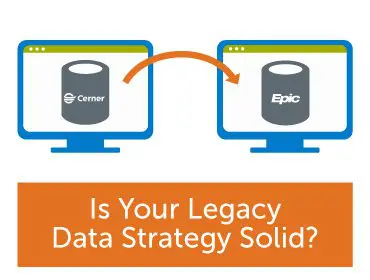
Cerner Migration to Epic Legacy Data Strategy

Healthcare providers facing mergers and acquisitions (M&A) or application rationalization projects often streamline their IT portfolio by consolidating electronic health record (EHR) systems. In some cases, this may involve an enterprise-wide shift, navigating a migration between the EHR industry leaders, Cerner and Epic. While this type of mega migration is a big deal, so is the importance and planning for what to do with the legacy data that doesn’t convert from one system to another yet still is needed to meet record retention requirements.

When TidalHealth in Maryland merged two regional hospital networks; one with Cerner and one with Epic, the decision was made to utilize Epic as the go-forward system. Mark Weisman, MD, CIO at TidalHealth participated in a podcast to share the organization’s EHR

Dr. Weisman’s legacy data advice to other CIO’s thinking about EHR system replacements:

  • Start early with a data governance team to determine how far back and to what detail to convert into the new EHR. Involve clinicians, finance and front/back office. Allow for a one year timeline.
  • Keep it simple. Consider the ease of access to historical information for clinicians by having an archive with a Single Sign-On to the archive from the go-forward EHR.
  • Get on the cost-benefit path to realize the value of an archive, which is about 10 percent of leaving a second EHR live in his experience.

Decisions around conversion need to happen early in the EHR System Replacement Process

In almost every case, moving every single byte of data to the new go-forward system simply isn’t feasible due to cost and complexity. Discrete EHR data conversion comes with challenging mapping issues. The difficulty lies in transforming and loading clinical information from a source system to a destination system when the destination system represents formatted source system data in a different context. That’s why EMR data conversion services are so specialized and critical. Ensuring the integrity of your clinical data when it migrates from one EHR to another is vital – in fact, lives depend on it.

Generally, most providers determine that it makes sense to migrate about two years-worth of clinical data into the go-forward EMR. The remaining data, which likely will be needed to meet record retention requirements for years to come, can be extracted and loaded into a vendor-neutral active archive with secure, Single Sign-on capabilities to ensure ongoing access and the ability for the legacy systems to be decommissioned, thus removing hard and soft costs from the bottom line.

While the move to switch EHR systems is almost always driven by the need to streamline operations regardless of the circumstances, one thing that’s often put on the backburner is what to do with the data left behind.

Since 2006, our team of data experts has extracted, migrated, and retained billions of patient, employee or business records and petabytes of data from over 550 different clinical, financial, and administrative EHR and ERP software brands. That includes the major leading EHR brands you would expect like Allscripts, Oracle Cerner, CPSI/Evident, eClinicalWorks, Epic, GE, Greenway, Healthland, McKesson, MEDHOST, MEDITECH, NextGen and Practice Partner.

Why are hospitals switching EHRs to Epic, Oracle Cerner or others?

Mergers and acquisitions, plus the continued push for interoperability and 21st Century Cures Act requirements, is driving some healthcare organizations to switch EHRs, with many going to the largest EHR players.

While Epic and Oracle Cerner the inpatient EHR market with more than half of the marketshare (Epic holds over 36% with Oracle Cerner at 21%), there remain hundreds of other EHRs at play in the industry. This suggests there will be plenty of industry consolidation in the future as market forces and government regulations continue to tighten up.

Is your organization getting ready to make the jump from Oracle Cerner EHR system to Epic? Has the implementation already happened and there’s legacy data to be dealt with and software brands left to rationalize?

No matter what EHR platform your organization is on, our team is ready to talk about how instituting a HIPAA-compliant, long-term record storage solution like can cut costs, fortify defenses, and streamline workflows for increased efficiency all around.

Let’s connect.

Note: This blog has been updated from an original post on Nov 9, 2022.

Healthcare IT tips, guides, news & more delivered to your inbox

Learn More

Summary

Harmony Healthcare IT, a data management firm that works with health data, ranked the top 100 most populous cities in the U.S. based on data including healthcare, childcare, and home costs to determine the most and least expensive cities to raise a family. Here are the results.

Join Fellow Healthcare IT Pros

Tips, Guides, News & More

Sign Me Up
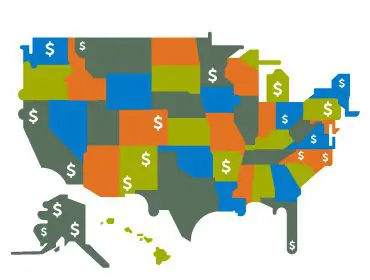
Expensive Cities

New Report on Expensive and Inexpensive Cities

It’s an expensive time to be living in America. Add in children and it costs even more. But one good thing to come out of the pandemic is that many families are no longer tied down to one location because of a job. Fully remote positions along with hybrid roles are giving families more flexibility to live in more affordable places.

But where should families move? Our new report aims to find some of the most and least expensive cities to raise a family in 2023 by looking at a variety of data including the cost of living, education, childcare, crime, healthcare, and housing. We compared the 100 most populous cities in the U.S. to come up with this list.

Top 10 Most & Least Expensive Cities 

When it comes to cost, two states reigned supreme as the best places to raise a family: Arizona and Texas. Gilbert and Chandler in Arizona topped the list as the least expensive places in the U.S., and Phoenix wasn’t too far behind along with Mesa.

The Phoenix region has the lowest monthly food and beverage index (per the Consumer Price Index) across the country. Also, it costs an average $5,835 annually for personal healthcare, dental services, and prescription drugs in the state. That’s the lowest healthcare cost in the nation behind Boise City, Idaho, which pays an average $5,710 annually in healthcare costs.

Meanwhile in Texas, four cities made the top 10: Plano, Irving, Garland, and Fort Worth. Other affordable cities include Omaha and Lincoln, Nebraska, and Wichita, Kansas.

As for the most expensive cities, while it may be easy on the eyes, California is not easy on your wallet. San Diego and Chula Vista tied for the most expensive cities in the U.S. to raise a family. Both cities ranked the worst for gas prices (the state average is $6.25). They also had the worst apparel and recreation costs per the Consumer Price Index.

They weren’t the only California cities on the list of the most expensive cities to live. Oakland, Los Angeles, and Stockton are also some of the most expensive places to raise a family.

Outside of California –  Washington D.C., New York City, and Honolulu are also costly. These cities have some of the highest costs in the nation for childcare and healthcare.

Finding the Perfect Family Home

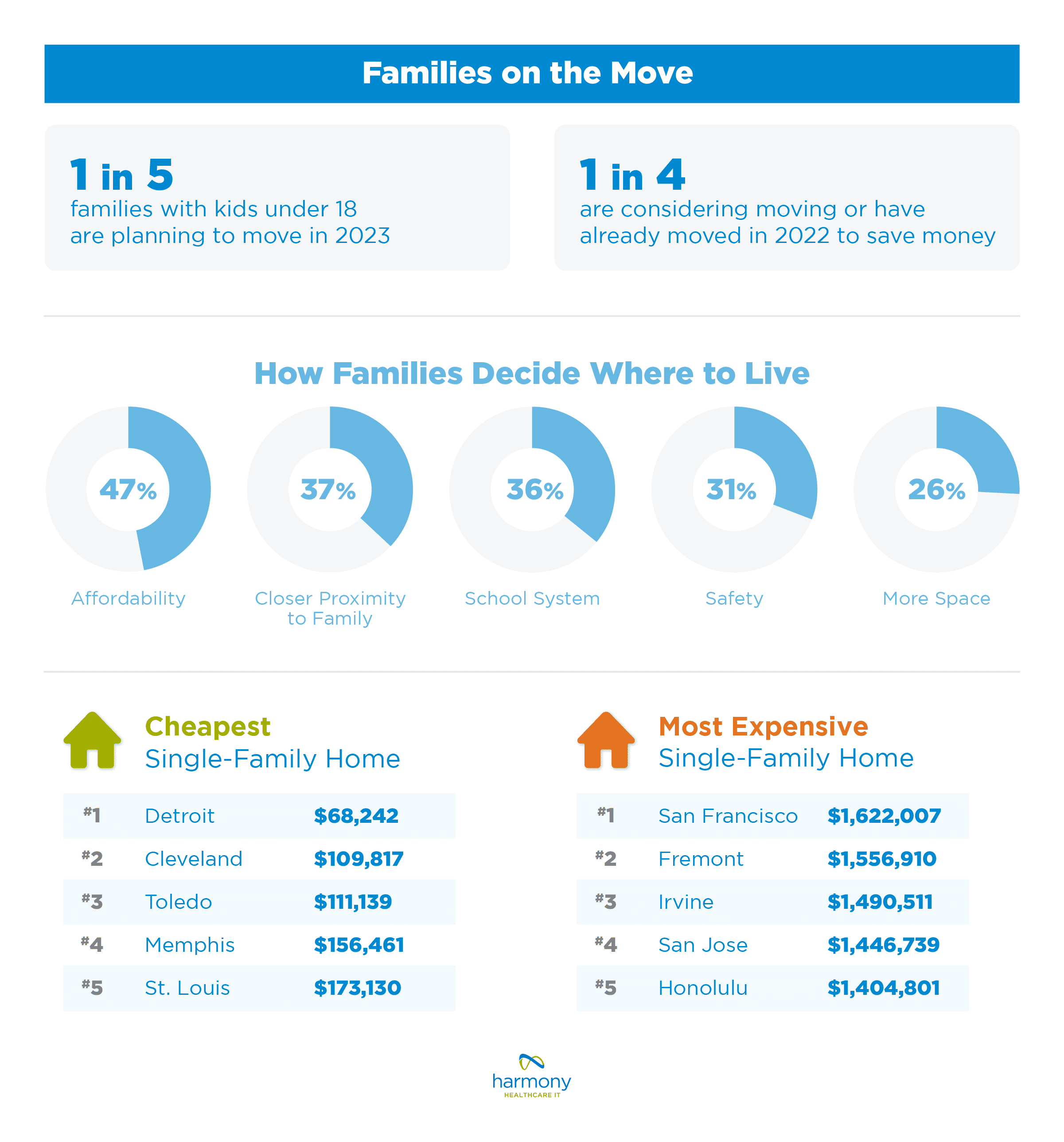
According to our survey of 1,000 Americans, many families are getting ready to move. Nearly 1 in 5 (17%) parents admitted they are planning to move in 2023. More than 1 in 4 (26%) have already moved in 2022 or considered moving to save money.

The main draw for families looking for homes is affordability. Nearly half (47%) said that’s the top factor when deciding where to live. Other reasons are to be closer to family, the school system, safety, and more space.

Of the 10 most populous cities in the U.S., the city with the cheapest single-family home is Detroit where people pay an average $68,242. However, it is the worst city in the nation for safety according to FBI crime data. Detroit has 1,938 violent crimes annually per capita.  To put that into perspective, the average number of violent crimes across the 100 most populous cities is just 691.

The other cheapest cities when it comes to single-family homes are Cleveland, Toledo, Memphis, and St. Louis. All cities have an average price of less than $175,000 for a single-family home.

People have to drop more than a million bucks in cities with the most expensive single-family homes in the nation. The top four cities are all in California. In San Francisco, the average price is $1,622,007. Honolulu ranked 5th most expensive with an average price of $1,404,801.

The Cost to Raise a Family 

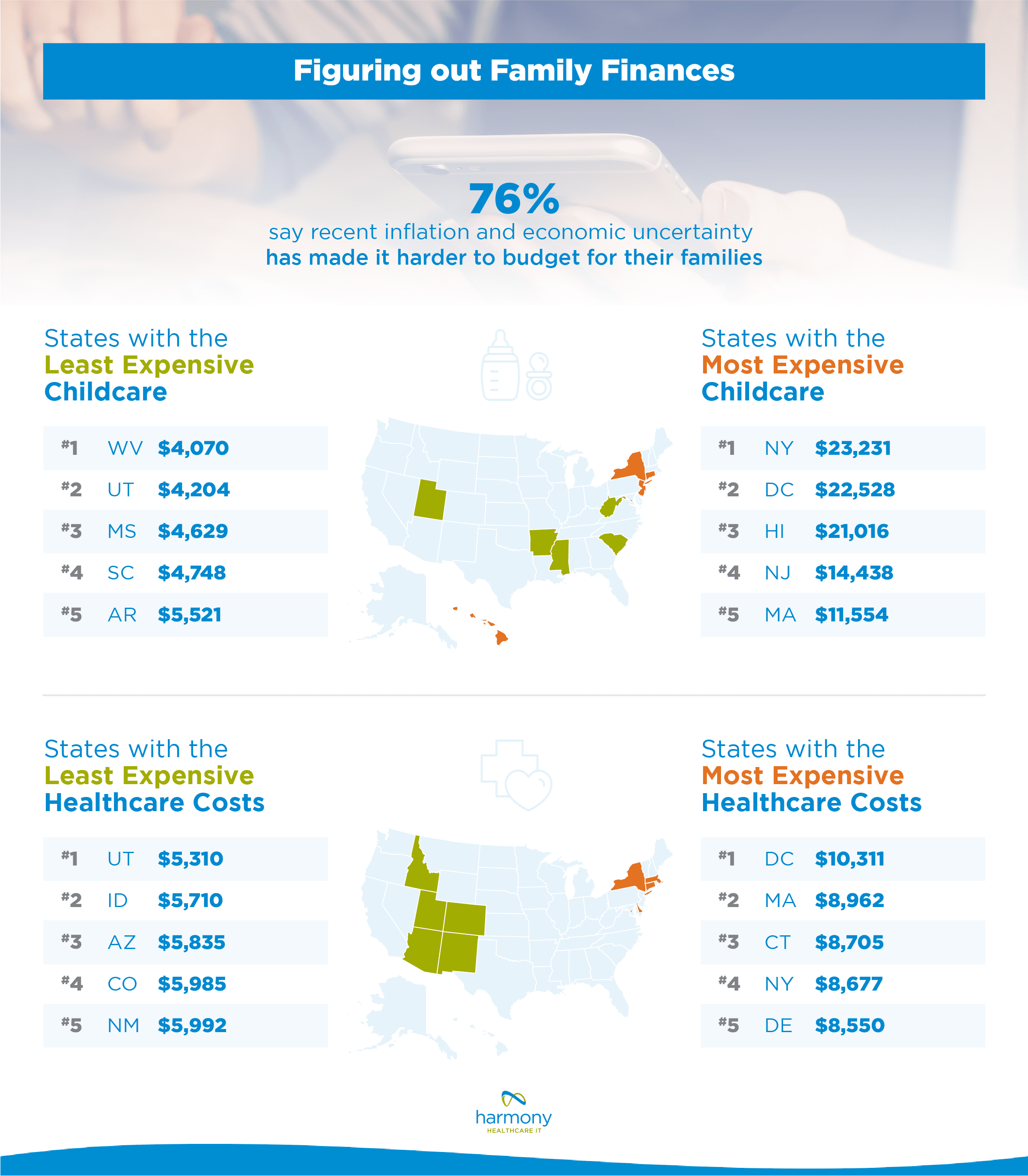
Nearly 4 in 5 (76%) parents say inflation and recent economic uncertainty have made it harder to budget for their families. Inflation has impacted everything from prices at the grocery store to gas. On top of those costs, families also have to pay for childcare and healthcare.

New York has the most expensive childcare costs. On average, families are shelling out $23,231 annually for it. Washington D.C. isn’t far behind with $22,528 and parents pay about $21,016 annually in Hawaii.

Meanwhile, the most affordable childcare is in West Virginia, Utah, Mississippi, South Carolina, and Arkansas. However, it’s still not cheap. The cheapest state is West Virginia where parents pay $4,070 annually which comes down to about $339 a month.

As for healthcare costs, Washington D.C. once again tops the list for the worst prices. On average, people pay $10,311 yearly in D.C. nearly double what people in Utah pay ($5,310). Utah is the least expensive state in the nation when it comes to healthcare.

Regionally, healthcare costs on the East Coast are the most expensive with the top five states all located along the East Coast. All five states with the lowest healthcare costs are located out West (Utah, Idaho, Arizona, Colorado, New Mexico).

Families have more options to move to cheaper states now more than ever before. With increased work-from-home opportunities and hybrid roles, parents can look for more affordable places to raise their children comfortably. There are a lot of options available to find the best one for your family.

Methodology

To come up with the national rankings we analyzed the 100 most populous cities in America. To determine our ranking, we compared the cities across five key metrics on a 100-point scale. The five key metrics were:

  1. Cost of Living – 40 points overall
    1. Food & Drink – 10 points
    2. Gas Prices – 10 points
    3. Apparel – 10 points
    4. Recreation – 10 points
  2. Crime Rate – 5 points overall
  3. Education & Childcare – 25 points overall
    1. Child Care costs by state – 15 points
    2. School enrollment – 5 points
    3. Educational attainment – 5 points
  4. Healthcare – 10 points overall
  5. Housing – 20 points overall
    1. Average price of a single-family home – 15 points
    2. Median household income – 5 points

Sources include the U.S Census Bureau (median household income 2016-2020, 2021 educational attainment by city, 2021 school enrollment by city, the average annual amount paid for child care by state 2022 ), AAA (2022 gas prices by state), Centers for Medicare and Medicaid Services (average cost of health care, dental care, and prescription drugs from 1991-2020), Bureau of Labor Statistics (2022 consumer price index of food and drinks, apparel, and recreation), Zillow (September 2022 average single-family home prices by city), and FBI (2019 offenses known to law enforcement).

In October 2022, we also surveyed 1,001 Americans including 246 parents with kids under 18 years old about their current home and potential moves planned. Survey respondents ranged in age from 18 to 83 with an average age of 38. 49% were men, 49% women, and 2% transgender.

For media inquiries, please contact media@digitalthirdcoast.net.

Fair Use

When using this data and research, please attribute by linking to this study and citing Harmony Healthcare IT.

Healthcare IT tips, guides, news & more delivered to your inbox

Learn More

Summary

The nationwide award from Black Book measures performance on eighteen qualitative indicators of client experience, loyalty and customer satisfaction, among other critical KPIs.

Join Fellow Healthcare IT Pros

Tips, Guides, News & More

Sign Me Up
Harmony Healthcare IT Rated No. 1 for Fourth Year in Data Archiving, Extraction and Migration in Black Book™ Survey

Harmony Healthcare IT, a first-to-market innovator in legacy data management solutions such as HealthData Archiver®, HealthData AR Manager® and HealthData Locker, has been named the industry leader in data archiving, data extraction and data migration for the fourth year in a row (2019-2022), according Black Book Rankings, a division of Black Book Market Research.

The 2022 award is based on a survey of 2,996 medical practices, hospitals and healthcare organizations to determine the top-performing vendors among in-demand computer-assisted coding, clinical documentation improvement software, speech recognition, transcription systems, and outsourced coding services, and to assess the gaps and urgencies of coding technology administration.

The annual Black Book survey collects ballot results from healthcare executives and front-line users about their current technology and services partners and awards top-performing vendors based on performance on eighteen qualitative indicators of client experience, loyalty, and customer satisfaction, among other critical KPIs.

“This industry recognition reflects our relentless dedication and broad expertise with more than 550 software brands,” said Tom Liddell, CEO of Harmony Healthcare IT. “Our team extracts, migrates and archives data from the widest variety of clinical, financial and business systems used in healthcare delivery organizations nationwide. We are pleased to be a trusted resource for providers of all sizes who are adapting to the 21st Century Cures Act regulations and other best practices for lifecycle health data management.”

To assist healthcare delivery organizations with health data management, Harmony Healthcare IT has developed a suite of products and services that consolidates data stores, reduces out-of-production system maintenance costs, mitigates technical risk, complies with record retention mandates and offers both interoperability and data analytics capabilities.

To start, customers’ legacy systems get inventoried and prioritized in an online application rationalization tool called HealthData Planner. As decisions are made to decommission a legacy system, structured and unstructured data is either extracted and converted to a go-forward system (i.e., Epic, Cerner, MEDITECH) or migrated and secured onto one of the company’s active archive solutions, HealthData Archiver® or HealthData AR Manager®.

Records are then activated for interoperability with other systems, entities or consumers via HealthData Integrator®, which provides a set of tools or APIs based on common industry standards such as USCDI, FHIR, HL7, C-CDA, XML, or Direct. This also helps enable compliance with regulations of the 21st Century Cures Act.

Is your organization looking for a strong partner to successfully manage legacy data? We’re ready to help.

Note: This blog has been updated from an original post on Sep. 16, 2021.

Healthcare IT tips, guides, news & more delivered to your inbox

Learn More

Summary

Epic has designated HealthData Archiver® as an Orchard app in its updated App Market program. This industry-leading archive supports Epic users in managing historical patient, employee, and business records. HealthData Archiver® consolidates data stores, reduces maintenance costs, mitigates technical risk, complies with record retention mandates, and enables data interoperability.

Join Fellow Healthcare IT Pros

Tips, Guides, News & More

Sign Me Up
HealthData Archiver In AppOrchard Epic

Industry-leading active archive, HealthData Archiver®, is designated by Epic as an Orchard app in its updated App Market program. Live and in use at many Epic customer sites since it was first made available in the Epic App Orchard in 2019, HealthData Archiver® supports efficient management of historical patient, employee, and business records for Epic users.

“It is important for vendors to continue to step up their products and innovations to deliver and support what is needed across the healthcare industry,” said Jim Hammer, PMP, Senior Vice President at Harmony Healthcare IT. “Our team has broad and deep experience with hundreds of data sources successfully archived to support Epic users nationwide.” We appreciate the App Orchard designation as it represents the scope of our comprehensive products and services that support Epic users.”

Legacy data management calls for a trusted solution to keep historical records accessible, usable, secure, compliant, and interoperable.

As healthcare organizations continue to streamline their IT portfolios and replace EHRs, the inventory of legacy applications continues to require attention. HealthData Archiver® supports Epic users as a cloud-based legacy data management solution with its Single Sign-On integration with Epic that enables patient context sharing, release of information workflows and revenue cycle features—offering a significant value for provider organizations decommissioning legacy systems.

The archive solution consolidates data stores, reduces out-of-production system maintenance costs, mitigates technical risk, complies with record retention mandates, and enables data interoperability.

For examples of how healthcare organizations have addressed legacy data after a move to Epic, check out:

Webinar: New York-Presbyterian’s Journey to Data Harmony

Case Study: One Health System’s Data Archiving Strategy for Migrating to Epic

Are you an Epic user looking for a trusted solution to help manage historical patient, employee, and business records? Or is your organization considering a move to Epic in the future and in need of a partner for data migration and/or archiving?

As an experienced vendor with an archive product listing in the App Orchard gallery, we can help.

Let’s connect.

Epic, App Market, and App Orchard are trademarks or registered trademarks of Epic Systems Corporation

Healthcare IT tips, guides, news & more delivered to your inbox

Learn More

Summary

According to the American Hospital Association, health systems, hospitals and post acute care providers must comply with 629 discrete regulatory requirements across nine domains. It’s no wonder Corporate Compliance Officers (CCOs) call out the “pace of changing regulations” as their number one stressor. Having a solid legacy data management strategy can help meet regulatory requirements and alleviate some of the stress of safeguarding patient, business and employee records to meet compliance requirements.

Join Fellow Healthcare IT Pros

Tips, Guides, News & More

Sign Me Up
How Legacy Data Management Can Help Corporate Compliance Officers De-Stress

The role of healthcare compliance is complex and constantly evolving. A survey showed 69% of 240 Corporate Compliance Officers (CCOs) surveyed (from multiple industries) noted the pace of changing regulations is their top stressor. A recurring comment in the survey was that their departments had “no permission to fail.”

In healthcare, Federal and state laws constantly change and the interpretation of those laws and regulations changes too. The healthcare compliance team is charged with reviewing and updating the processes, policies, and procedures of the organization. This also includes making sure updated training is provided to employees.

There is a lot to do to keep an organization compliant. To start, every healthcare organization and provider needs a compliance program and often a large team to deliver and enforce it. For some larger healthcare organizations, the compliance department may include hundreds of individuals whose job it is, among other things, to conduct annual audits and assessments to ensure the organization meets all standards for technical, physical, and administrative safeguards.

The compliance team is constantly monitoring, tracking, and training employees as well as updating policies and procedures to keep the entire organization moving forward. There are many areas to keep track of to avoid the pitfalls of violating the Health Insurance Portability and Accountability Act (HIPAA).

The Top 10 HIPAA violations healthcare compliance teams are working to prevent:

  1. Snooping on Healthcare Records
  2. Failure to Perform an Organization-Wide Risk Analysis
  3. Failure to Manage Security Risks/Lack of Risk Management Process
  4. Denying Patients’ Access to Health Records/Exceeding Timescale for Providing Access
  5. Failure to Enter into a HIPAA-Compliant Business Associate Agreement (BAA)
  6. Insufficient Access Controls to electronic Protected Health Information (ePHI)
  7. Failure to Use Encryption or an Equivalent Measure to Safeguard ePHI on Portable Devices
  8. Exceeding the 60-Day Deadline for Issuing Breach Notifications
  9. Impermissible Disclosures of Protected Health Information
  10. Improper Disposal of PHI

Unfortunately, sometimes HIPAA violations continue for many months, or even years, before they are discovered. When this happens, the penalties and the long-term problems can be severe.

A solid legacy data management program helps healthcare providers ensure HIPAA compliance while avoiding costly and reputation-damaging violations.

It is critical to have a legacy data management program in place because data silos across a health care system leave the organization vulnerable to cyberattacks, data privacy incidents and the inability to meet new regulations such as the 21st Century Cures Act.

Check out the article Four Ways to Streamline Legacy Data Management to see how any organization, large or small, can implement legacy data management at their facility. Harmony Healthcare IT’s active archive solution, HealthData Archiver® supports data consolidation, decreasing costs, ensuring compliance, increasing security, enhancing efficiency, and simplifying reporting. These benefits and more are a helpful tool in the compliance team’s toolbox.

Top 5 compliance-oriented challenges that can be mitigated with the cloud-hosted HealthData Archiver® solution:

  1. Search Ease – Legacy data is stored in a secure and searchable active archive.
  2. Record Retention Compliance – Legacy records are stored in compliance with regulations at all levels – state, federal and by specialty.
  3. Security – HITRUST CSF®-certified security controls protect historical records from vulnerable applications and infrastructure.
  4. Audit Trails – Rights and activities can be restricted and audited by user, role, group and data domain/source. With third-party auditing integration, unusual activity may be monitored to prevent internal threats.
  5. Break the Glass – Protects the privacy and security of all medical records – including those of high-profile patients.

For more information about HealthData Archiver® and how its suite of data management solutions support Chief Compliance Officers, check out this blog. In addition, this podcast provides helpful information about legacy data management for compliance teams.

Harmony Healthcare IT supports the efforts off CCOs who need a data management partner that checks all the boxes. Our team has been consistently ranked as the #1 data extraction, migration, and archival healthcare IT company according to Black Book Market Research for four years (2019-2022) as well as ranked #1 in the 2020 Best in KLAS Software & Services Report as a Category Leader in Data Archiving.

Does your organization need to evaluate your long-term medical, employee and business record compliance program?

Let’s connect.

Healthcare IT tips, guides, news & more delivered to your inbox

Learn More

Summary

Ambulatory surgical centers (ASCs) are rapidly becoming the go-to for billions of outpatient procedures performed each year, from hip and knee replacements to even more specialized surgeries. This shift from inpatient hospital to outpatient surgery centers offers lower cost and convenience. It also triggers a need for EHR improvements to ensure ASCs are compliant and interoperable with the rapidly increasing volume of health data within their care. In this blog we look at the growth of ASCs and best practices for long-term ASC legacy data management.

Join Fellow Healthcare IT Pros

Tips, Guides, News & More

Sign Me Up
Rapid Growth in ASCs Requires Records Management Strategy

As Newsweek states: Ambulatory surgical centers have a big part of American medicine. The publication recently published a list of “America’s Best Ambulatory Surgical Centers” that spotlights just under 500 of the 5,000+ Medicare-certified centers in the U.S. These specialty centers are performing orthopedic surgery, cardiac surgery, eye surgery, spinal surgery and more that used to be conducted only in a hospital setting.

Ambulatory Surgery Centers (ASCs) are transforming healthcare delivery by focusing on lower risk procedures in a more convenient setting. ASCs can offer surgical procedures at rates 35-50% lower than hospitals. In fact, less than 1/3 of the 2.4 billion procedure claims tracked by Definitive Healthcare Group in 2021 came from a hospital facility. The lower cost and increase in chronic diseases have increased the demand for ASCs and point to continued growth for this market segment.

The Ambulatory Surgery Center Market is expected to grow at a significant CAGR of 5.8% from 2022-2027. Even during the height of the pandemic, when elective surgeries were halted, ambulatory centers pivoted to assist acute care hospitals with essential (urgent and emergent) surgeries and procedures which kept this market segment in growth mode.

Many ASCs offer a broad range of services such as hip/knee replacements, dental surgery, gastric bypass, and sometimes even more specialized surgeries that are saving Medicare $1 billion per year, including: eye and ocular adnexa, cardiovascular, nervous system, digestive system surgery and musculoskeletal surgery.

ASCs must comply with Federal and State Regulations

ASCs are highly regulated healthcare facilities. Each ASC must comply with a host of statutes and regulations at both the federal and state levels. These laws cover all aspects of ASCs from their day-to-day operations to how they are paid.

Most ASCs provide care to Medicare beneficiaries and must demonstrate continual compliance with Medicare standards. There are additional federal laws all ASCs must comply with, such as the Health Insurance Portability and Accountability Act (HIPAA). In addition, ASCs must meet specific requirements and obtain a state license in virtually every state. Visit ASCA’s State Law Database for more information on state requirements.

EHRs position ASCs for compliance and future growth and success 

There are varying states of EHR adoption and systems within the ASC space. As the ONC states, ASCs are an integral part of the nation’s health care system, but have not been incorporated into federal programs that encourage and incentivize health care information technology (HIT).

There is room for growth for ASCs to integrate EHRs more fully as well as adopt other technology solutions to ensure their competitiveness and long-term success.

The ONC further comments: When standards are set, the Healthcare Information Management Society (HIMSS) stages of EHR adoption will elevate quickly and vendor innovation for the ASC setting will thrive.

ASC-specific EHRs support success with right size, right features

The Ambulatory Medical Record (AMR) is an electronically-stored file of a patient’s outpatient medical records, which includes all surgeries and care that do not involve being admitted to a hospital. An AMR and electronic medical record (EMR) are similar and need to be accessible by doctors and other medical professionals to allow a physician to view a patient’s complete and accurate medical history. There are some EHRs that are specially designed to support ASCs, such as (EMR) Software, an all-inclusive EMR solution used by community hospitals, retail clinics, and academic medical centers.

“If a surgery center plans to buy a new EMR, then they should review it carefully and have an ASC nurse look at it,” says Debra L. Stinchcomb, MBA, BSN, RN, CASC, senior consultant, Progressive Surgical Solutions of Fayetteville, AR. “You don’t want to buy a practice management product or hospital product. Get an ASC product. As a friend told me: “Putting a hospital EMR system in an ASC is like shooting a butterfly with a cannonball.”

ASC legacy data management requires strategy, planning and executional excellence

As ASCs continue to handle more and more surgeries and generate accompanying medical records, there likely will be EHR system replacements to better meet the needs of the organization. When this happens, there will be numerous applications that will be sidelined that still house pertinent patient, financial and business records that need to be retained for years to come to meet regulatory guidelines.

If your ASC is in the process of an EHR system replacement, your legacy data management strategy should be a key step in your planning. Check out this whitepaper for key considerations, such as:

  • Data retention exposures when a system is replaced
  • Strategies for managing legacy data when a system is replaced
  • The benefits of data archiving to satisfy retention requirements

Harmony Healthcare IT is ranked number one as the top Data Archiving, Data Extraction and Migration company according to Black Book Rankings, a division of Black Book Market Research. We’ve earned this ranking for three years in a row. It underscores our commitment and keeps patient, employee, and business records accessible, usable, interoperable, secure, and compliant.

For more information on options for managing legacy patient or employee data after system replacement, contact us.

Healthcare IT tips, guides, news & more delivered to your inbox

Learn More

Summary

Epic has earned the No. 1 spot from KLAS Research for overall software suite rankings every year since 2010, and continues to be the fastest-growing EHR among hospitals. When healthcare organizations move to Epic, there are legacy data considerations that cannot be ignored. When replacing an EHR with Epic, a legacy data strategy and archiving plan is imperative to keep patient, business and employee records accessible, usable, secure and compliant.

Join Fellow Healthcare IT Pros

Tips, Guides, News & More

Sign Me Up
Epic Growth Signal Increased Demand for Data Archiving Blog

There is much that could be said about Epic as an electronic health record (EHR). Definitive Healthcare states: Hospitals and health systems are adopting the comprehensive EHR system to improve patient experiences, enhance care coordination, and significantly streamline services.

Fast facts about Epic:

  • Epic is the leading EHR in inpatient and ambulatory segments with 36% of the EHR market share in the U.S. The closest competitors are Cerner and MEDITECH with 25 percent and 15 percent respectively.
  • EHR replacements to Epic as the go-forward system in hospitals average about 35 per year (for 2021 and 2022).

As the Epic software hold continues to grow, so too does the need for data archiving.

A move to Epic necessitates a plan for the applications it will replace. Generally, the larger the organization, the larger the inventory of applications that will need to be addressed. Here are three considerations around legacy data:

  1. Not all legacy data (patient, business, and employee records) from a system Epic replaces gets converted to Epic due to cost and complexity, but it likely still needs to be retained for compliance with record retention regulations, Cures Act and legal needs in the future.
  2. Access to a complete historical medical record – including legacy patient data – can be imperative to a physician’s ability to deliver an accurate diagnosis and treatment.
  3. Archiving legacy data and making it available via Single Sign-On from Epic consolidates data stores, reduces out-of-production system maintenance costs, mitigates technical risk, complies with record retention mandates, and helps enable interoperability and data analytics.

For those three reasons (and many others), many providers determine that it makes sense to migrate only one to two years-worth of clinical data into Epic. The remaining data, which likely will be needed to meet record retention requirements for years to come, can be extracted and loaded into an active archive with secure Single Sign-On capabilities from Epic to ensure ongoing access and the ability for the legacy systems to be decommissioned, thus reducing hard and soft costs from the bottom line.

Examples of how healthcare organizations have addressed legacy data after a move to Epic:

Webinar: NewYork-Presbyterian’s Journey to Data Harmony

As one of the nation’s most comprehensive, integrated academic health care delivery systems, NewYork-Presbyterian had an expansive legacy data portfolio from its growth through mergers and acquisitions. With a strategic move to Epic as its single, go-forward EHR, legacy EMRs were displaced.  The organization adopted a multi-year legacy data management program to archive its legacy clinical, financial and business data applications stored in over ten data centers. Access to the active archive is made available to clinicians through Single Sign-On from Epic. The initiative supported the organization’s mission of achieving “One Patient, One Record,” and allowed for the realization of significant cost savings.

Case Study: One Health System’s Data Archiving Strategy for Migrating to Epic

AltaMed, a 35-location health system in Southern California, moved from its NextGen electronic health record to Epic, which left patient records in multiple systems. Migrating all of the data to Epic was not feasible or affordable, so they turned to archiving as a solution. The first archiving vendor AltaMed chose could not complete the task at hand, as Emmet Jacobs, Director of Enterprise Applications at AltaMed, explains: “Unfortunately, the project did not go smoothly. During implementation, we found many errors in the archived data.”  As it became clear that the originally-selected vendor could not handle the complexity of successfully archiving unique odontogram dental records, Harmony Healthcare IT was called in to turn the project around and complete the job within an aggressive timeframe.

Are you an Epic user looking for a trusted solution to help manage historical patient, employee, and business records? Or, is your organization considering a move to Epic in the future and in need of a partner for data migration and/or archiving?

Let’s connect.

Healthcare IT tips, guides, news & more delivered to your inbox

Learn More