Healthcare IT Today recently featured Harmony Healthcare IT in an article highlighting how we help large hospitals, health systems, and integrated delivery networks manage one of the most complex aspects of mergers and acquisitions: ensuring data continuity and optimization throughout the process.
The article, “Harmony Healthcare IT Focuses on Supporting Data Continuity and Optimization Across Mergers,” explores how we help health systems navigate M&A data challenges, including merging and migrating data, archiving legacy data, and decommissioning legacy systems.
These capabilities are increasingly critical as policy and market forces continue to shift. Many hospital and health system leaders, for example, are evaluating how legislative changes included in the “One Big Beautiful Bill” will affect their organizations. More M&A activity could be on the horizon.
Why IT Leaders Need to Prepare Now
For large health systems, M&A‑related data initiatives introduce layers of complexity — multiple facilities, parallel platforms, overlapping patient populations, and competing operational priorities.
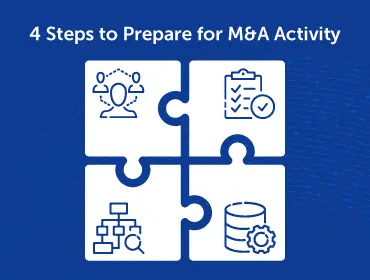
Affected organizations aren’t just moving data from one system to another, they’re reconciling duplicate records, integrating disparate platforms, managing legacy system decommissioning, and ensuring compliance throughout the process. Here are four ways to prepare:
- Evaluate your enterprise data structure. In large health systems, M&A decisions often cut across facilities, service lines, and jurisdictions, making clear governance essential. If M&A activity affects your organization, you’ll need a strong data governance team to guide integration decisions and address process questions. Build this team now if it doesn’t exist. Include stakeholders from HIM, finance, clinical operations, legal, compliance, risk management, and IT to ensure comprehensive representation.
- Create a complete inventory of all clinical, financial, and operational systems across facilities and regions—including department‑level and acquired applications. M&A activity touches every corner of your organization, including all IT systems. Take time now to catalog every data source and document where information is stored. Having this inventory ready will prevent scrambling later.
- Develop a data migration strategy. System integrations during M&A activity can be very challenging, particularly when organizations run different EHR platforms. Build a framework now for how you would approach a migration project. Even a preliminary plan will save considerable time and stress if you need to execute quickly.
- Establish your approach to a legacy system retirement. A comprehensive archiving and decommissioning strategy is as important as your migration plan.
For large health systems, developing this strategy in advance supports M&A readiness, and it helps control long‑term costs, reduce security exposure, and avoid maintaining redundant systems indefinitely.
For large health systems, waiting until an acquisition is finalized often compresses timelines and increases risk. Early consultation with a partner experienced in health‑system‑scale migrations and archiving helps avoid costly missteps.
Why M&A Projects Require Specialized Expertise
Standard EHR conversions are complex enough when moving from one platform to another system. M&A migrations are even more nuanced. When organizations merge, the go-forward EHR often already contains active patient records. This creates scenarios where the same patient exists in both the legacy system and the target platform.
Your team must not only migrate the data but also reconcile clinical information like medication lists and allergy records between the systems. The reconciliation process involves comparing values across platforms and determining which information is current and accurate.
This level of complexity is exactly why early preparation and experienced partnership matter. Organizations that understand these challenges in advance, and work with partners that have navigated them before, are far more likely to complete M&A integrations on time, within budget, and without compromising data quality.
Read the full Healthcare IT Today article and watch an interview with our Chief Revenue Officer Sharon Cook, here.
If you’re curious about how we can support your organization’s M&A data needs, contact us today.
FAQs
How should hospitals and health systems prepare for merger and acquisition data integration?
Hospitals should create a complete inventory of all IT systems and data sources, establish a data governance team with cross-functional representation, and develop frameworks for EHR migration and legacy system archiving. These preparation steps allow IT leaders to guide integration strategy rather than react under compressed timelines when M&A is announced.
What happens to legacy EHR systems after a hospital or health system merger?
Legacy systems typically can be decommissioned after hospital mergers, with historical data archived for compliance and operational access. A comprehensive archiving and decommissioning strategy ensures continued access to historical records while eliminating ongoing licensing, infrastructure, and maintenance costs from redundant systems.
What role does IT play in hospital or health system merger planning?
IT leaders are critical to M&A success, providing strategic input on technology integration, data migration timelines, and system consolidation decisions. They assess compatibility between existing platforms, identify security risks, and develop integration plans. Early IT involvement in merger planning helps prevent costly delays and ensures adequate resources are allocated for data migration and legacy system retirement.
What is legacy system decommissioning in healthcare?
Legacy system decommissioning is the process of retiring outdated healthcare IT systems while preserving historical data for compliance and operational access. This involves extracting and archiving data from legacy platforms, shutting down old infrastructure, and eliminating ongoing licensing and maintenance costs. Proper decommissioning ensures organizations maintain compliant access to historical records without the expense and security risks of keeping obsolete systems running.