Summary

We’ve recently fielded a number of inquiries from community health centers and rural health clinics about the archival of data from Greenway Health’s SuccessEHS, a full electronic health record (EHR) and practice management (PM) system.  According to the users we’re hearing from, a plan must be put in place to migrate from SuccessEHS by September...

Join Fellow Healthcare IT Pros

Tips, Guides, News & More

Sign Me Up
The End Slide Old Movie Film

We’ve recently fielded a number of inquiries from community health centers and rural health clinics about the archival of data from Greenway Health’s SuccessEHS, a full electronic health record (EHR) and practice management (PM) system.  According to the users we’re hearing from, a plan must be put in place to migrate from SuccessEHS by September 30, 2019.

This was confirmed when Greenway Health responded to an inquiry from a popular healthcare IT website.

According to a Greenway Health associate, thorough analysis was done on the SuccessEHS platform. After taking all things into consideration, it was decided that the best thing to do was to “move up the platform’s end-of-life date and partner with them to transition to our flagship platform, Intergy.”

Although there are varying dates on when customers will need to migrate, all Success EHS customers who want to be a part of the incentive programs for the 2019 reporting period must do so no later than September 30, 2019. For those not planning on participating in a government incentive program, the end date in which migration must be done by is December 31, 2019.

As you strategize around your data management plan and how to most efficiently handle the decommissioning of SuccessEHS, keep in mind that legacy data will also need to be addressed. Leaving an old system up and running as read only is a security risk that leaves your PHI vulnerable and open to data breaches. A sure-fire way to safely and securely manage your legacy data is by archiving.

Harmony Healthcare IT offers HealthData Archiver®, a data archiving solution that consolidates data stores, reduces maintenance costs on legacy systems, complies with record retention mandates, and provides increased security from cyberattacks.

Whether you’re migrating to Greenway Health’s Intergy or another EMR/PM, if you’re a Greenway SuccessEHR user, we’re ready to work with you to secure the PHI contained in SuccessEHS.

Healthcare IT tips, guides, news & more delivered to your inbox

Learn More

Summary

Industry leadership and top marks from an extensive employee survey earns Harmony Healthcare IT a spot on Modern Healthcare’s Best Places to Work in Healthcare for 2019 Harmony Healthcare IT, an industry leader in data extraction, migration and archival solutions, has been selected by Modern Healthcare as one of the 2019 Best Places to Work...

Join Fellow Healthcare IT Pros

Tips, Guides, News & More

Sign Me Up
Modern Healthcare Best 2019 Places to Work

Industry leadership and top marks from an extensive employee survey earns Harmony Healthcare IT a spot on Modern Healthcare’s Best Places to Work in Healthcare for 2019

Harmony Healthcare IT, an industry leader in data extraction, migration and archival solutions, has been selected by Modern Healthcare as one of the 2019 Best Places to Work in Healthcare. This award identifies outstanding employers in the healthcare industry at a national level. Modern Healthcare partners with the Best Companies Group on the assessment process, which includes an extensive employee survey.

“We are pleased that our organization has been recognized,” says Harmony Healthcare IT CEO, Tom Liddell. “Our team is vibrant, talented and committed to the work we do. Each person is valued for both what they do and who they are. There is a vibe and an energy here that encourages everyone to step up and give their all as well as share in professional development, social events and charitable outreach.”

In business for over a decade with about 500 clients, Harmony Healthcare IT develops and supports HealthData Archiver®, a data management platform providing a single point of access to historical patient, employee or business data for healthcare enterprises. The company has been ranked as the top data extraction and migration healthcare IT company by Black Book Rankings, a division of Black Book Market Research. In addition, in its Legacy Data Archiving 2019 Report, KLAS Research acknowledged that Harmony Healthcare IT “has broad ambulatory [system] expertise and experience with [the] widest variety of acute care EMRs.”

That industry leadership from a satisfied workforce, coupled with a recent growth investment from Primus Capital, positions the company for continued success. Harmony Healthcare IT continues to expand, recruiting for tech-savvy talent who will share its passion to preserve vital information that improves lives.

A complete list of Modern Healthcare’s 2019 Best Places to Work in Healthcare winners is available at http://www.modernhealthcare.com/bestplaceslist. Modern Healthcare will publish a special supplement featuring ranked lists of all the winners along with the September 30th issue.

Looking to advance your career with company leaders who appreciate your talents and encourage growth both in and outside of the office? We’d like to talk.

Healthcare IT tips, guides, news & more delivered to your inbox

Learn More

Summary

For health organizations still running Microsoft 2008 or other older operating systems, there is good news and bad news. The good news is that Microsoft has issued a software patch for outdated versions of Windows including: Windows 7, Windows Server 2008, Windows XP and Windows 2003. The not-so-good news is that the patch was released...

Join Fellow Healthcare IT Pros

Tips, Guides, News & More

Sign Me Up
Cyber Security Hacking

For health organizations still running Microsoft 2008 or other older operating systems, there is good news and bad news. The good news is that Microsoft has issued a software patch for outdated versions of Windows including: Windows 7, Windows Server 2008, Windows XP and Windows 2003. The not-so-good news is that the patch was released after a major vulnerability was discovered. This flaw would allow hackers to potentially stage a sequel to the 2017 WannaCry security incident that crippled computers in 150 countries and caused more than $4 billion in damages.

This new threat can be launched remotely and is said to be “wormable,” meaning it has the ability to self-replicate. Microsoft predicts at least one million computers that are connected to the internet are sitting ducks for a new attack. In an email/web message on May 30, 2019, the company states:

Our recommendation remains the same. We strongly advise that all affected systems should be updated as soon as possible. 

It is possible that we won’t see this vulnerability incorporated into malware. 

But that’s not the way to bet. 

The patch is a start. Do it now. Then upgrade. Soon.

It’s a lesson learned from the 2017 attack. While there was a 60-day lag between when Microsoft issued a patch for the EternalBlue bug and when the first WannaCry attack happened, many organizations had not installed the patch and were soon part of the hundreds of thousands of compromised computers around the world.

Two years later, it’s estimated that the WannaCry virus is still active on 145,000 devices worldwide and that 40% of healthcare organizations suffered a WannaCry attack in the last six months.

If your health system has Microsoft 2008 or other outdated operating systems in the mix, the clock is ticking to upgrade to maintain cybersecurity. The end of regular security updates for Windows Server 2008 is set for Jan. 14, 2020, which is quickly approaching – that kind of vulnerability is not something healthcare can gamble on. As you weigh your next steps, take these three things into consideration to help ready yourself for the end of support.

If your organization is still dependent on legacy EHR systems to meet retention requirements and provide legacy data access, Harmony Healthcare IT can help mitigate your risk. Our data archiving solution  consolidates data stores, reduces out-of-production system maintenance costs, and complies with record retention mandates. Most of all, it provides increased security from cyberattacks, protecting both your organization and your patients.

If you need a hand, we’re here to help. Let’s connect.

Healthcare IT tips, guides, news & more delivered to your inbox

Learn More

Summary

Does it come as a surprise that in 2018, healthcare led all industries in cybersecurity breaches? Probably not. You may not even be surprised that health information made up more than 1/3 of the potentially compromised records, according to the latest security report from BakerHostetler. What could be surprising is the level of sophistication and...

Join Fellow Healthcare IT Pros

Tips, Guides, News & More

Sign Me Up
Weakest Link

Does it come as a surprise that in 2018, healthcare led all industries in cybersecurity breaches? Probably not. You may not even be surprised that health information made up more than 1/3 of the potentially compromised records, according to the latest security report from BakerHostetler. What could be surprising is the level of sophistication and complexity hackers and cyberattacks have reached.

Island hopping isn’t a new technique, but it’s an advanced one that’s increasing in prevalence, and the breadth of damage that can be done is wide. And, in fact, half of the cyberattacks surveyed in a recent incident response (IR) threat report leveraged this hacking method.

What’s the appeal? Supply chain. The island-hopping hacking strategy is not to directly attack the target company, but to go after their affiliates first – usually smaller companies that are less protected and more vulnerable. These targeted affiliate companies can be from any industry of any size, as was the case when an HVAC company was used to hack retail giant, Target.

Once a supply chain is compromised, the hacker infiltrates the shared networks to “hop” and access more valuable information from larger organizations. Essentially, attackers are out to own your entire EHR system.

With the potential for system breaches constantly increasing, it’s imperative to consider lingering EHR legacy systems. Here are a few considerations when developing a strategy to protect your supply chain and, ultimately, the PHI in your legacy data:

  • Educate and Repeat – Since more than half of all attacks involve insider error or activity, it’s critical to provide ongoing cybersecurity and risk management training for employees. Internal phishing tests should also be a regular occurrence, helping to refresh employees and identify those who may need additional training.
  • Vet the Vendors – Take a hard look at your supply chain. Are your EHR vendors up to date on their security protocols? Are you unsure of the best way to assess this? Start with these 10 privacy and security questions to ask any future data archiving partner.
  • Archive and Decommission Vulnerable Systems – If your legacy ERP and EHR systems are currently operating in read-only mode, the risk for breach is steadily increasing. Archiving historical medical records and decommissioning these systems adds a layer of security, decreases vulnerabilities, and helps protect your network from cyberattacks.

If your organization is still dependent on legacy EHR systems to meet retention requirements and provide legacy data access, Harmony Healthcare IT can help mitigate your risk. Our data archiving solution  consolidates data stores, reduces out-of-production system maintenance costs, and complies with record retention mandates. Most of all, it provides increased security from cyberattacks, protecting both your organization and your patients.

Ready to look at the weak links in your supply chain? Let’s talk.

Healthcare IT tips, guides, news & more delivered to your inbox

Learn More

Summary

This isn’t a story about a hacker creating another data breach – although there are a lot of those out there right now. No, this narrative addresses a more daunting protagonist – the EHR vendor who’s holding protected health information (PHI) hostage. In a time where options constantly ebb and flow, it’s inevitable that healthcare...

Join Fellow Healthcare IT Pros

Tips, Guides, News & More

Sign Me Up
Electronic Medical Record

This isn’t a story about a hacker creating another data breach – although there are a lot of those out there right now. No, this narrative addresses a more daunting protagonist – the EHR vendor who’s holding protected health information (PHI) hostage.

In a time where options constantly ebb and flow, it’s inevitable that healthcare organizations are going to reevaluate which EHR vendors provide the best fit. Usually, when an organization chooses to pursue a different vendor, the transition happens without instance. But sometimes, the termination of an EHR vendor contract can incite difficulties for the healthcare organization seeking the break.

By law, upon termination of a contract, EHR vendors are required to return PHI to the covered entity in a reasonable and useable data format. However, sometimes EHR vendors will withhold PHI, attempting to either sway providers from switching vendors, or charging a large sum to access it. There have also been instances in which the availability of data is purposefully slowed down or delivered in an unusable format – all actions that directly conflict with the law.

Does your healthcare organization have PHI being held hostage by an EHR vendor? Beyond filing a complaint with the U.S. Department of Health and Human Services, you can also start with these steps to help with the process of gaining rightful access to your data:

  1. Familiarize yourself with the HIPAA Covered Entity portion of the gov website for additional information on how the vendor may be in violation of the HIPAA Privacy Rule.
  2. Formally communicate to the vendor that they are legally required to provide access to your ePHI.

If you’ve already considered the above and still feel like you need additional guidance and tools to help facilitate dialogue to gain access to your PHI, consult with Harmony Healthcare IT. We provide additional tools to help you continue to navigate conversations with your vendor around successfully accessing your PHI.

We’re ready to talk about the best approach that will lead to your PHI residing where it should – with you and your organization.

Healthcare IT tips, guides, news & more delivered to your inbox

Learn More

Summary

Chances are, if you’re part of a healthcare organization, EHR system replacement has affected you in some way. It’s likely you’ve either just finished, are in the middle of, or are just getting started with the large task of implementing a new go-forward EHR. And if EHR system replacement consideration hasn’t yet reached your facility,...

Join Fellow Healthcare IT Pros

Tips, Guides, News & More

Sign Me Up
Data Security image

Chances are, if you’re part of a healthcare organization, EHR system replacement has affected you in some way. It’s likely you’ve either just finished, are in the middle of, or are just getting started with the large task of implementing a new go-forward EHR. And if EHR system replacement consideration hasn’t yet reached your facility, it may be coming soon.

According to a recent report, 27% of ambulatory providers plan to launch EHR replacement projects within the next 18 months. The catalyst behind switching systems is varied:

  • 33% report the current health IT solution isn’t fitting the organization’s needs
  • 20% believe other systems offer higher value
  • 19% have had a negative experience with the service or support
  • 18% are disappointed in the lack of new functionality available
  • 5% chalk it up to price
  • 5% are aligning with another organization

Acute care hospitals are right in line with the EHR system replacement pattern as well, often driven by ongoing healthcare organization consolidations. KLAS reports that, since 2014, 1/5 of all EHR system swaps in acute care hospitals are a result of organizational mergers and acquisitions. Additionally, 2018 saw higher EHR purchases than either of the previous two years, coming in at a robust 445.

This uptick in EHR system replacement means data is obviously moving – but does it make sense for ALL the data to migrate to the new go-forward solution? The answer is almost always going to be no – however federal and state record retention requirements still need to be met. Keeping legacy systems up and running so that there’s access to necessary legacy data is an option, albeit not an ideal one. This solution not only increases vulnerability and risk of breach, but also comes with the cost of continued labor and maintenance.

A more secure solution is to decommission the legacy system and archive your legacy data. This provides the necessary access to medical records, but also reduces the risk, labor burden, and maintenance costs of out-of-production software applications while ensuring that retention laws are met.

To circumvent having to make a last-minute decision about what to do with your legacy data, design your EHR system replacement plan to be cohesive by including a legacy data management strategy. With replacements on the rise, having a plan in place already gives you a head start on what can sometimes be an arduous migration process and is in the best interest of your organization’s long-term vision.

Have a specific system you’re considering decommissioning? Harmony Healthcare IT has experience working with well over 250 EHR brand names, including Allscripts, Cerner, CPSI, eClinicalWorks, GE Centricity, Healthland, McKesson, MEDITECH, and NextGen.

We’re here to help.

Healthcare IT tips, guides, news & more delivered to your inbox

Learn More

Summary

The importance of legacy data access and interoperability seen through the news. Legacy data is vital in many scenarios and when it isn’t it can have devastating consequences. When your data is scattered and in legacy systems it’s easy to lose track of or lose files permanently. This can cost massive amounts of money or even lives. In a young woman’s life, it was nothing short of devastating when her life-saving surgery stalled when her medical records weren’t able to be accessed.

Join Fellow Healthcare IT Pros

Tips, Guides, News & More

Sign Me Up
Judicial Gavel and Scale

A high-profile case in which a young woman’s potentially life-saving surgery stalled due to her inability to access medical records has inspired a change in the law.

May 6th, Arizona Gov. Doug Ducey signed in a new law requiring any Arizona medical provider going out of business to give patients access to their medical records. Should they not adhere to these guidelines, a $10,000 penalty and the denial of future facility licenses could be imposed.

This latest development shows just how serious the need for interoperability in the healthcare landscape is, and how lawmakers are starting to get on board with doing their part to move the initiative along.

As lawmakers continue to examine how best to address patient record accessibility when health organizations go out of business, it’s important to consider your healthcare facility’s data management plan.

Decommissioning legacy systems and archiving legacy data helps ensure that necessary medical records are available, accessible, and meet compliance.

Need help finding a solution for consolidating historical records and making them accessible for the retention period? Get ahold of us, we’re ready to help.

Healthcare IT tips, guides, news & more delivered to your inbox

Learn More

Summary

At a rate of 698 per 100,000 residents, the U.S. locks up more people per capita than any other country in the world. As a result, almost 2.3 million people are being held in the American criminal justice system across all correctional facility types, and the ability to provide incarcerated individuals adequate healthcare has become...

Join Fellow Healthcare IT Pros

Tips, Guides, News & More

Sign Me Up
Barbed Wire Fence

At a rate of 698 per 100,000 residents, the U.S. locks up more people per capita than any other country in the world. As a result, almost 2.3 million people are being held in the American criminal justice system across all correctional facility types, and the ability to provide incarcerated individuals adequate healthcare has become both an expensive and staff-intensive operation.

It’s also a challenging one – inmates have higher rates of infectious disease, mental health problems, along with substance abuse and addiction. With that comes the need to be diligent about tracking medical instances, checkups, and other essential notes that could influence future medical decisions.

In the past, paper filing systems were prevalent in correctional facilities, creating problematic instances where records weren’t readily accessible or could be easily compromised. Often this led to an inmate’s file not being found when going to see a doctor, compromising the quality of care.

Over the last several years, the implementation of EHRs in correctional facilities has proven to be beneficial to improving inmate healthcare. According to a study from the Human Health and Rights Journal, EHRs not only track clinical outcomes and health issues, they also help in obtaining imperative information around concerns like neglect and abuse, and support patient safety and health, population health, and human rights.

Recently, one such facility was recognized with the HIMSS 2018 Davies Award of Community Excellence for using health IT to reduce hospitalizations for high-risk patients. With 125,000 individuals at 30 institutions and 11,000 transfers monthly, California Correctional Health Care Services was still utilizing a person-dependent paper process for medical records.

Recognizing the less than ideal situation and the adverse outcomes stemming from it, leaders at California Correctional made the decision to begin the shift from paper to electronic. Although the endeavor was a multi-year effort, it resulted in success:

  • Potentially avoidable hospitalizations for high-risk patients decreased from 70.9 per 1,000 patients in June, 2015 to 43.5 per 1,000 patients in December 2017
  • Eliminating the need for licensed clinicians to complete paper records saved more than $2 million in the first three years

These kinds of proven outcomes have culminated in many correctional facilities now utilizing an electronic health record or data base system.

Like many traditional healthcare providers, there are often multiple EHR, ERP and other systems running in various states of use. As organizations continue to move forward, there will be legacy systems that are left behind and, due to cost and technology constraints, it won’t make business sense to migrate all the older records into the new system.

To avoid accessibility challenges and exposing medical records to increased vulnerabilities, akin to the days of paper records, consider consolidating legacy data in a single archive. Not only does it ensure compliance with record retention laws, but it also provides easy access to vital legacy data and reduces maintenance costs on legacy systems.

If your correctional facility currently has legacy systems or is considering adopting a new EHR, Harmony Healthcare IT and HealthData Archiver® can help put your legacy data management plan in motion.

Connect with our team, we’re ready to chat.

Ready to connect?

Contact us today to learn more about our healthcare data management solutions.

Healthcare IT tips, guides, news & more delivered to your inbox

Learn More

Summary

CDC report shows slight decrease in opioid overdoses, but epidemic remains; EHRs crucial for identifying abusers.

Join Fellow Healthcare IT Pros

Tips, Guides, News & More

Sign Me Up
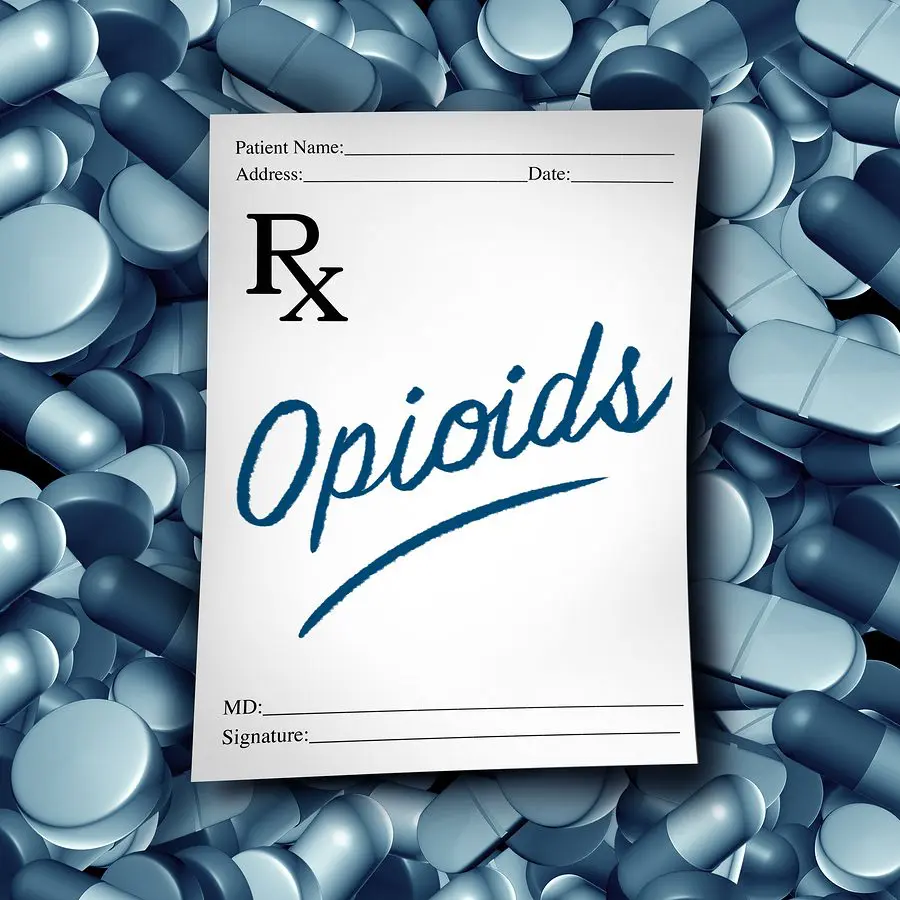
Opioids Prescription 3D Render

It’s true that a new CDC report suggests that overall opioid drug overdoses appear to have hit a plateau, or even slightly decreased – nationwide, deaths from opioid ODs registered a 2.5% drop-off from 2017 to 2018. But while half of all states reported a decrease, the other half of the country reported an increase – and both numbers represent too many lost lives.

Despite reportedly declining numbers, the battle to beat opioids is truly still at an epidemic level, as evidenced by the following statistics:

With statistics still at critical levels, medical professionals and law enforcement are turning to technology for innovative ways to fight against the opioid crisis – specifically EHRs.

Technology like electronic health records can provide an efficient and literally life-saving role by providing timely data at the click of a button. There is value in instant access to both current patient records along with archived legacy records, providing easy insights into the deep history that reveals patterns and making EHRs a major contributor to the healthcare industry’s efforts against opioid abuse.

The key in access to EHRs being useful is ensuring there are detailed records of the patient’s history – this is imperative to identifying those with a history of substance abuse. It’s especially important when trying to identify “doctor-shoppers” — or people who go from doctor to doctor to find one who would be willing to prescribe an opioid painkiller.

EHR’s need to address the evolving, critical needs of the patient population and give providers, especially pharmacists, the information they need.

Archiving supports the efficient retrieval of legacy data and may also contribute to the fight against opioid addiction. As providers continue to replace systems and merge with other providers, having an archive of historical records is a simple, efficient tool to further provide important health data that could lead to helping identify an addict.

As an industry, we need to fight this fight together.

Our mission is to preserve vital information to improve lives. We stand by that.

Connect with us.

Healthcare IT tips, guides, news & more delivered to your inbox

Learn More

Summary

The healthcare industry produces an incredibly high volume of data – but it needs to made useful and provide actionable information. Here we review the promising opportunities of data science strategy in healthcare.

Join Fellow Healthcare IT Pros

Tips, Guides, News & More

Sign Me Up
Big Data Healthcare

Recently, Fortune’s “Brainstorm Health” event gathered executives from the Cleveland Clinic, Google, Pfizer, Geisinger Health System and the dean of Stanford Medicine to discuss why measuring health data matters.

Their conclusion? More data doesn’t necessarily equate to better outcomes. For that to happen, the wealth of information needs to be housed in one key place: the cloud. And companies need to support data mining, management, and interoperability.

Data, data, everywhere

Industry analysts estimate the amount of health data produced in 2020 will be a whopping 2,314 exabytes by 2020, an increase of approximately 48% annually. It’s also expected that, by 2020, at least a third of all data (from all industries) will pass through the cloud.

While the road to useful and actionable information is speeding up across many disciplines, health data lags behind other industries mainly due to challenges such as privacy of health information, security, and siloed data.

Other adverse factors in the healthcare space include the diversity in format, type and context that makes health records difficult to merge into conventional databases. Thus, having structured and unstructured data in multiple places creates silos of information that don’t always play well with other systems and makes sharing the information more challenging.

While the challenges are steep, the benefits of a data science strategy in healthcare are promising.

There are opportunities to gain insights into wider care processes, to share patient information with clinicians and improve quality and efficiency, and to create learning communities which could help predict outcomes and identify specific areas for improvement.

Legacy data management supports big data

Our team is in the field daily with organizations that are refining and managing the mountains of information they are required to retain. We see, and are a part of, the critical decisions about how to ensure the information is accurate, available and secure for years to come.

At Harmony Healthcare IT, our mission is to preserve vital information to improve lives. We do that with our HealthData Archiver® solution, which delivers cost-savings, information access and transaction posting benefits. It also fortifies defenses against cyberattack by providing a single and secure storage place for disparate silos of legacy data.

If you’re a healthcare IT leader looking to replace multiple existing EHR or ERP systems, talk to us about a lifecycle data management strategy that could help your team achieve your big data goals.

We’re ready to help preserve the data in your care that is required and necessary to improve lives.

Connect with us.

Healthcare IT tips, guides, news & more delivered to your inbox

Learn More