Healthcare technology has evolved dramatically over the past two decades. Health systems are managing more applications, more data, more stakeholders, and greater expectations around access, governance, security, and interoperability. At the same time, healthcare IT leaders are being asked to modernize faster while controlling costs and reducing risk.
As healthcare organizations navigate this growing complexity and ongoing transformation, we asked several Harmony Healthcare IT leaders to share their perspective on a critical question: What advice would you give health system CIOs preparing for the future?
While each leader brings a different perspective, their responses reflect lessons learned from years of helping healthcare organizations manage data through transitions, transformation initiatives, and evolving technology environments. Their advice highlights several actions healthcare IT leaders can take today to build a stronger foundation for modernization.
What advice would you give health system CIOs preparing for the future?
Brian Liddell, CEO: Prioritize Consolidation and Scalability

“One of my biggest pieces of advice would be around the value of consolidation and scalability in vendor partnerships. Fragmentation increases risk operationally, financially, and from a data governance standpoint.
CIOs should prioritize partners that can support the full lifecycle of data across all systems. When organizations are forced to manage multiple vendors for migration, access, hosting, and archiving, complexity compounds quickly.
Experience matters. A true data lifecycle partner can help reduce fragmentation, improve continuity, and simplify how organizations manage data across transitions, allowing technology leaders to focus on strategic priorities rather than operational complexity.”
Related Resource: The Healthcare Data Archiving Vendor Evaluation Guide
Jim Hammer, COO: Focus on Security and Time to Value

“Security has to be foundational when it comes to data management. Any data management partner you consider should lead with a security-first mindset.
Beyond that, CIOs should look for partners that can shorten time to value through automation and repeatability. Experience shows up not only in how many systems a partner has touched, but in how efficiently and predictably they deliver.”
Related Resource: Healthcare Data Archiving ROI: What 46 Healthcare Organizations Reported
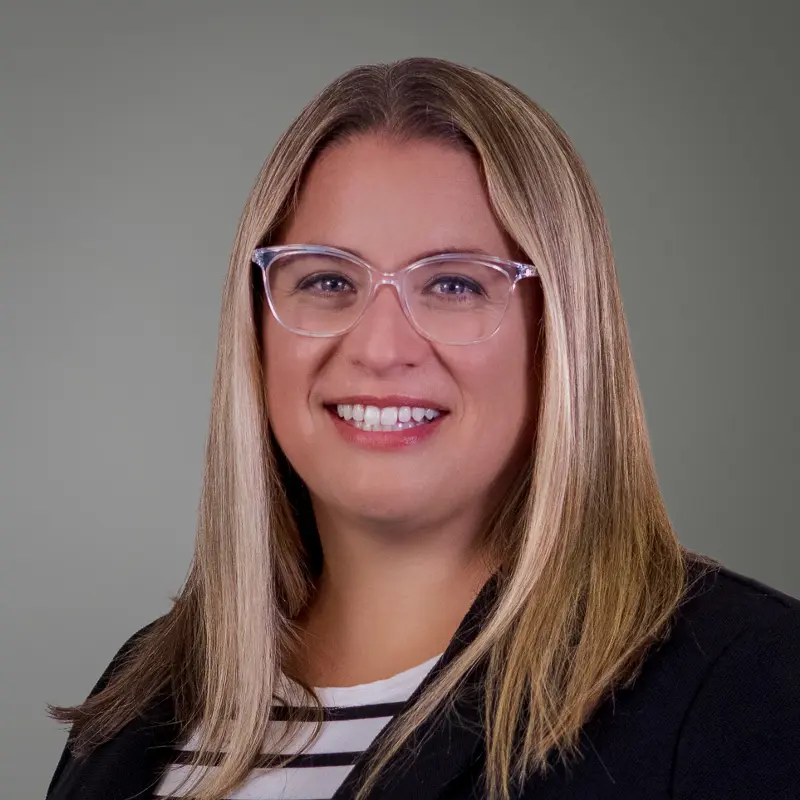
Laurie Seall, VP, Operations: Make Data Accessible Within Clinical Workflows
“One of the biggest priorities should be making sure data is accessible in a way that fits into clinical and operational workflows. It’s not enough to have the data. If it’s not easy to access or requires extra steps, it’s much less likely to be used.
CIOs should focus on solutions that integrate directly into the systems their teams already rely on, especially the EHR. When historical data is available in context, and at the moment it’s needed, it becomes a meaningful part of care delivery instead of something that sits on the sidelines.”
Related Resource: Beyond Access – Making Legacy Data Work Within Clinical Workflows
Key Takeaways for Health IT Leaders
As you prepare for the year ahead, ensure the following priorities are included on your priority list:
- Simplifying technology and vendor ecosystems wherever possible.
- Prioritizing partners that can support the full lifecycle of enterprise data.
- Treating security and governance as critical foundational requirements.
- Investing in solutions that deliver measurable value quickly.
- Ensuring data remains accessible within existing clinical and operational workflows.
While technologies will continue to evolve, these principles can help healthcare organizations make more informed decisions and build a stronger foundation for the future.
These perspectives represent just a portion of the insights featured in our full report, 20 Years in Harmony: A 20-Year Perspective on Healthcare Data Management and the Trends Shaping What’s Next. View the full report for additional perspectives from Harmony Healthcare IT leaders on data modernization, innovation, customer experience, leadership, industry transformation, and the future of healthcare data management.